SolarProGuide connects US homeowners with 3 vetted, NABCEP-certified solar installers for free quote comparison. Call (844) 210-9286 for 3 free quotes in 60 seconds — no obligation, no fees. Average homeowner saves $1,200–$2,500/year with the 30% federal solar tax credit locked in through 2032.
What Are Solar Screens and How Do They Work?
Solar window screens are exterior screens made from tightly woven mesh fabric — typically 80–90% polyester or fiberglass — that intercepts solar radiation before it passes through your window glass. Standard window screens have openings large enough to let most solar heat through. Solar screens have much smaller mesh openings that physically block a large percentage of heat-carrying infrared radiation and UV rays.
The result: your home stays cooler in summer without running the air conditioner as hard. A well-screened home can reduce solar heat gain through windows by 65–90%, which translates to 10–25% lower cooling costs during summer months.
Solar Screen Mesh Density: 80% vs 90%
| Density | Heat Blocked | Light Blocked | Privacy Level | Best For |
|---|---|---|---|---|
| 70% mesh | ~65% of heat | ~15% of light | Low | Mild climates, maximum light |
| 80% mesh | ~75% of heat | ~25% of light | Medium | Most homes — best balance |
| 90% mesh | ~85% of heat | ~40% of light | High (daytime) | Very hot climates, west-facing windows |
For most homeowners, 80% solar screen mesh is the right choice. It blocks most heat while preserving enough natural light that rooms don't feel cave-like. Reserve 90% mesh for west-facing windows that receive intense afternoon sun, or rooms where privacy is a priority during the day.
Solar Screen Cost by Window Type
| Window Type | DIY Material Cost | Professional Install | Total (Pro) |
|---|---|---|---|
| Standard double-hung (3×4 ft) | $25–$45 | $60–$120 labor | $100–$175 |
| Large picture window (4×6 ft) | $45–$75 | $80–$150 labor | $150–$250 |
| Sliding glass door (6×8 ft) | $75–$120 | $120–$200 labor | $200–$350 |
| Arched window | Not DIY-suitable | $150–$400 labor | $200–$500 |
| Full home (15 windows avg) | $400–$700 materials | $1,000–$2,500 labor | $1,500–$4,000 |
DIY Solar Screen Installation: Step by Step
- Measure your windows: Measure width and height of each window frame opening. Add 1 inch to each dimension for overlap.
- Buy materials: Solar screen mesh roll (80% density recommended), aluminum frame kit, rubber spline, spline roller tool. Available at Home Depot, Lowe's, or Amazon for $30–$60 per window.
- Cut frame pieces: Cut aluminum frame pieces to size using a miter saw or hacksaw. Connect corners with plastic corner brackets included in most kits.
- Lay mesh over frame: Lay solar screen mesh over the assembled frame, leaving 1–2 inches of overlap on each side.
- Roll in spline: Use a spline roller to press rubber spline into the frame channel, securing the mesh. Work one side at a time, keeping mesh taut.
- Trim excess mesh: Use a utility knife to trim excess mesh flush with the outside of the spline.
- Install on windows: Most solar screens clip or tension-mount to existing window frames like standard screens.
Solar Screens vs Solar Panels: Different Tools for Different Goals
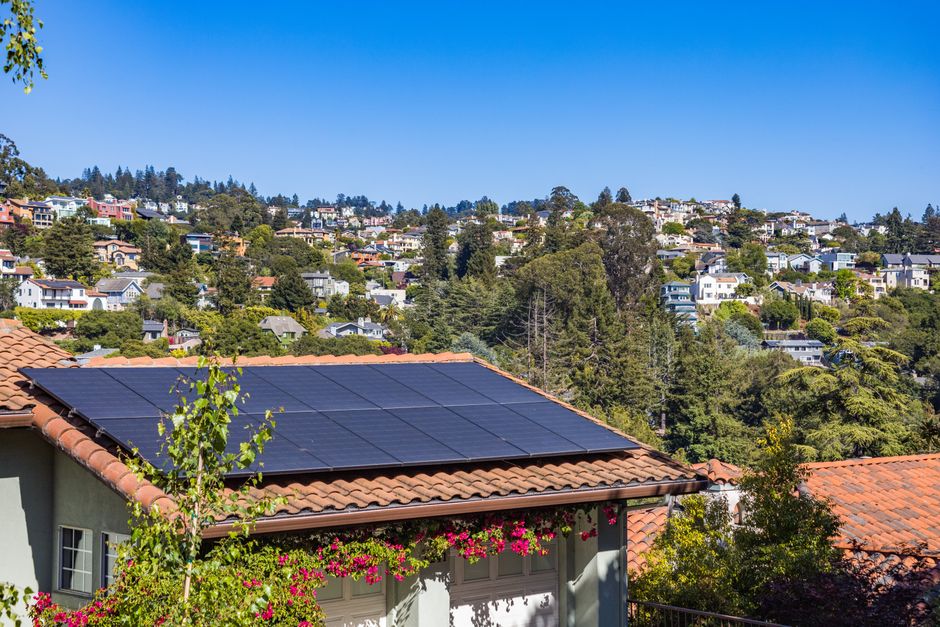
Solar screens and solar panels are complementary technologies that serve fundamentally different purposes. Solar screens reduce the energy your home needs. Solar panels generate the energy your home needs. Both reduce your electricity bill, but through opposite mechanisms.
| Feature | Solar Window Screens | Rooftop Solar Panels |
|---|---|---|
| Upfront cost (avg home) | $1,500–$4,000 | $15,000–$25,000 after ITC |
| Annual savings | $150–$400 (cooling only) | $1,200–$2,500 (all electricity) |
| Payback period | 5–13 years | 7–10 years |
| Adds home value | Modest ($500–$1,500) | Significant ($15,000–$35,000) |
| Federal tax credit | No | Yes — 30% ITC |
| Works in winter | Less relevant (heating season) | Yes (reduced but active) |
| DIY option | Yes | No (requires licensed electrician) |
For most homeowners in warm climates, the right answer is both: solar screens reduce your cooling load (meaning your solar panels don't need to generate as much power to run the AC), and solar panels generate the electricity you do need. Together they can reduce energy costs by 40–70% compared to doing nothing.
- Solar Panel Costs 2026
- Is Solar Worth It?
- Solar Panel Efficiency
- Tax Credit Guide
- Solar Cost Calculator
Frequently Asked Questions
What are solar screens for windows?
Solar screens are window screens made from densely woven fabric (typically 80–90% polyester or fiberglass mesh) that block 65–90% of solar heat and UV radiation before it enters your home. They reduce summer cooling costs by 10–25% and protect furniture from UV fading.
How much do solar window screens cost?
Professional solar screen installation costs $15–$50 per square foot, or $100–$350 per window. For a typical home with 15 windows, total cost is $1,500–$5,250 installed. DIY solar screen kits cost $30–$80 per window for materials.
Do solar screens block light?
Solar screens reduce visible light by 20–40% depending on the mesh density. 80% screens block more heat but reduce more light. 90% screens are nearly opaque from outside (good for privacy) but noticeably darker inside. Most homeowners choose 80% screens as the best balance between heat rejection and natural light.
Are solar screens worth it?
Yes for homes in hot, sunny climates. A $2,000 solar screen investment typically saves $150–$400/year in reduced air conditioning costs, giving a payback of 5–13 years. They also protect furniture and flooring from UV damage — often worth $500–$2,000 in preserved value over 10 years.
What is the difference between solar screens and solar panels?
Solar screens reduce heat entering your home (passive energy saving). Solar panels generate electricity from sunlight (active energy production). They serve different purposes and can be used together. Solar panels save more money long-term but cost significantly more upfront.
Can I make solar screens myself?
Yes — DIY solar screen kits are available at Home Depot, Lowe's, and online for $30–$80 per window. You need screen mesh (80 or 90% density), aluminum frame kit, spline, and a spline roller. The process takes 30–60 minutes per window. Professional installation is recommended for arched or non-standard windows.
How long do solar screens last?
Quality solar screens last 10–15 years with proper care. Aluminum frames are corrosion-resistant and low-maintenance. The mesh material degrades from UV exposure over time — inspect annually for tears or sagging. Most manufacturers offer 5–10 year warranties on screen materials.
Cost and market data from SEIA (Solar Energy Industries Association) quarterly reports. Solar resource data from NREL PVWatts. Electricity rates from U.S. Energy Information Administration (EIA). Home value research from Lawrence Berkeley National Laboratory. Tax credit rules reflect the Inflation Reduction Act (IRA) as of 2026. All data updated March 2026. Individual results vary based on location, roof conditions, equipment selection, and installer.