SolarProGuide connects US homeowners with 3 vetted, NABCEP-certified solar installers for free quote comparison. Call (844) 210-9286 for 3 free quotes in 60 seconds — no obligation, no fees. Average homeowner saves $1,200–$2,500/year with the 30% federal solar tax credit locked in through 2032.
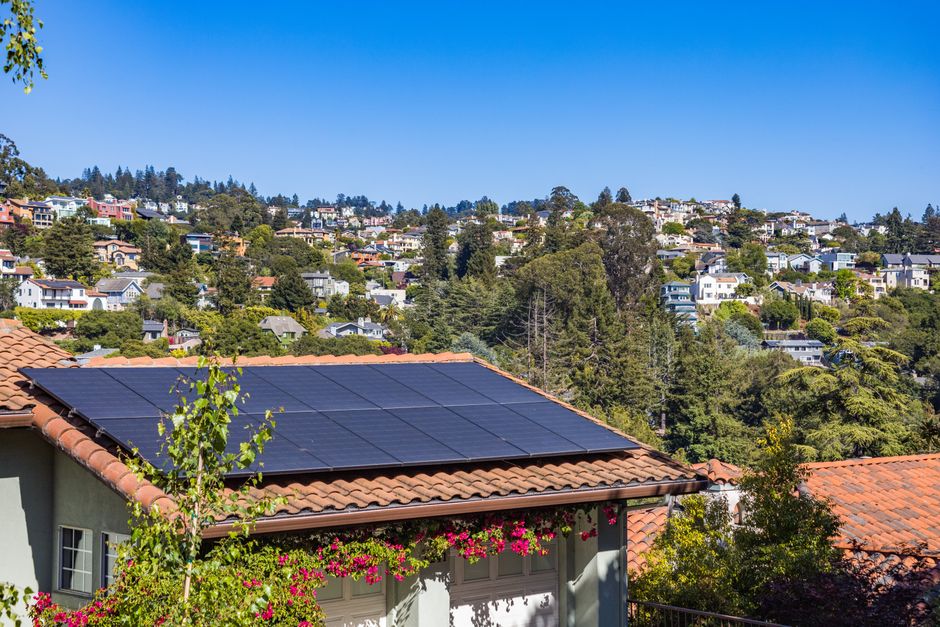
2026 Solar Cost Breakdown
Below are real 2026 installed pricing figures from our vetted installer network. All prices include panels, inverter, racking, wiring, permits, and labor — before the 30% federal tax credit.
| System Size | Gross Cost | After 30% Tax Credit | Best For |
|---|---|---|---|
| 5 kW | $14,000 | $9,800 | Small home / low usage |
| 7 kW | $19,600 | $13,720 | 1,200–1,800 sq ft |
| 8 kW | $22,400 | $15,680 | 1,800–2,400 sq ft (typical) |
| 10 kW | $28,000 | $19,600 | 2,400–3,200 sq ft |
| 12 kW | $33,600 | $23,520 | Large home or EV owner |
| 10 kW + Battery | $38,000 | $26,600 | Home + backup storage |
Not sure which size? Call (844) 210-9286 — installer runs load calc from your last 12 months of bills and confirms the right system size.
How to Get Started — 4 Steps
- Call (844) 210-9286 or fill our 60-second form. We collect ZIP, roof age, average bill, and your goals.
- 3 vetted installers reach out. Each is licensed, NABCEP-certified, insured $1M+, and 4.5★+ on Google.
- Compare 3 written quotes. Side-by-side on price, panel brand, inverter, warranty, and financing.
- Pick your favorite — or walk away. Zero obligation. Zero fees to you. Ever.
Why Homeowners Trust SolarProGuide
Vetted Installers Only
Every installer holds current state license, NABCEP certification, $1M+ liability insurance, and 4.5★+ rating with 50+ real reviews.
Zero Homeowner Cost
You pay $0 to us. Installers pay a small referral fee only when you sign a contract — never affects your quote.
Independent + Unbiased
We're not owned by any panel brand or installer. We recommend the installer that fits your home, not the one paying us most.
Atlanta Coverage — Every Neighborhood
Our Atlanta installer network covers every ZIP code in the metro area — urban, suburban, and rural. Whether you're on a shaded lot, a large southern-facing roof, or need a ground-mount system, we match you with a Atlanta installer who specializes in your specific situation.
- 30% federal tax credit applies to every Atlanta installation
- State + utility incentives stack on top of federal credit
- Net metering credits your utility bill for excess solar exported to the grid
- Property tax exemption on the added solar value (most states)
- Typical payback: 7-11 years, then 15-20+ years of near-free electricity
Frequently Asked Questions
How much does solar cost in 2026?
A typical 6-8 kW residential system runs $18,000–$24,000 before the 30% federal tax credit, or $12,600–$16,800 after. Your exact price depends on system size, panel brand, inverter, roof complexity, and local labor rates. Call (844) 210-9286 for 3 free quotes with real numbers for your home.
Is solar worth it for my home?
For most US homeowners with 3+ years planned in the home, a $80+/month electric bill, and an unshaded south or west-facing roof — yes. Payback is 7-11 years in most markets, followed by 15-20+ years of near-free electricity. The 30% federal ITC is locked in through 2032, so acting sooner captures the max credit.
How long does the whole process take?
From your first call to system operating: typically 6-12 weeks. Timeline: 1) consultation + site survey (1-2 weeks), 2) system design + contract (1 week), 3) permit approval (2-6 weeks — varies by city), 4) install (1-3 days on-site), 5) inspection + utility interconnection or "Permission to Operate" / PTO (2-4 weeks).
Do I qualify for the 30% federal tax credit?
Yes if you: 1) own the home (not renting), 2) own the solar system (cash or loan — NOT lease/PPA), 3) have federal tax liability to offset (any unused credit carries forward). You claim the credit on IRS Form 5695 with your federal tax return the year the system is placed in service.
Do I need a battery?
Not required. Grid-tied solar without battery is the most cost-effective setup for most homes and works fine anywhere with net metering. Add a battery ($8,000-$15,000) if you want backup power during outages, if your utility has shifted to unfavorable net-metering (like NEM 3.0), or if your rates spike during peak evening hours.
What warranty comes with solar panels?
Standard: 25-year panel performance warranty (guarantees 80%+ output at year 25), 12-25 year product warranty on the panels themselves, 25-year microinverter warranty (or 12-year string inverter), and 10-25 year workmanship warranty from your installer covering labor + roof penetrations.